About us
National Self Employment Council (NSEC)
Introduction
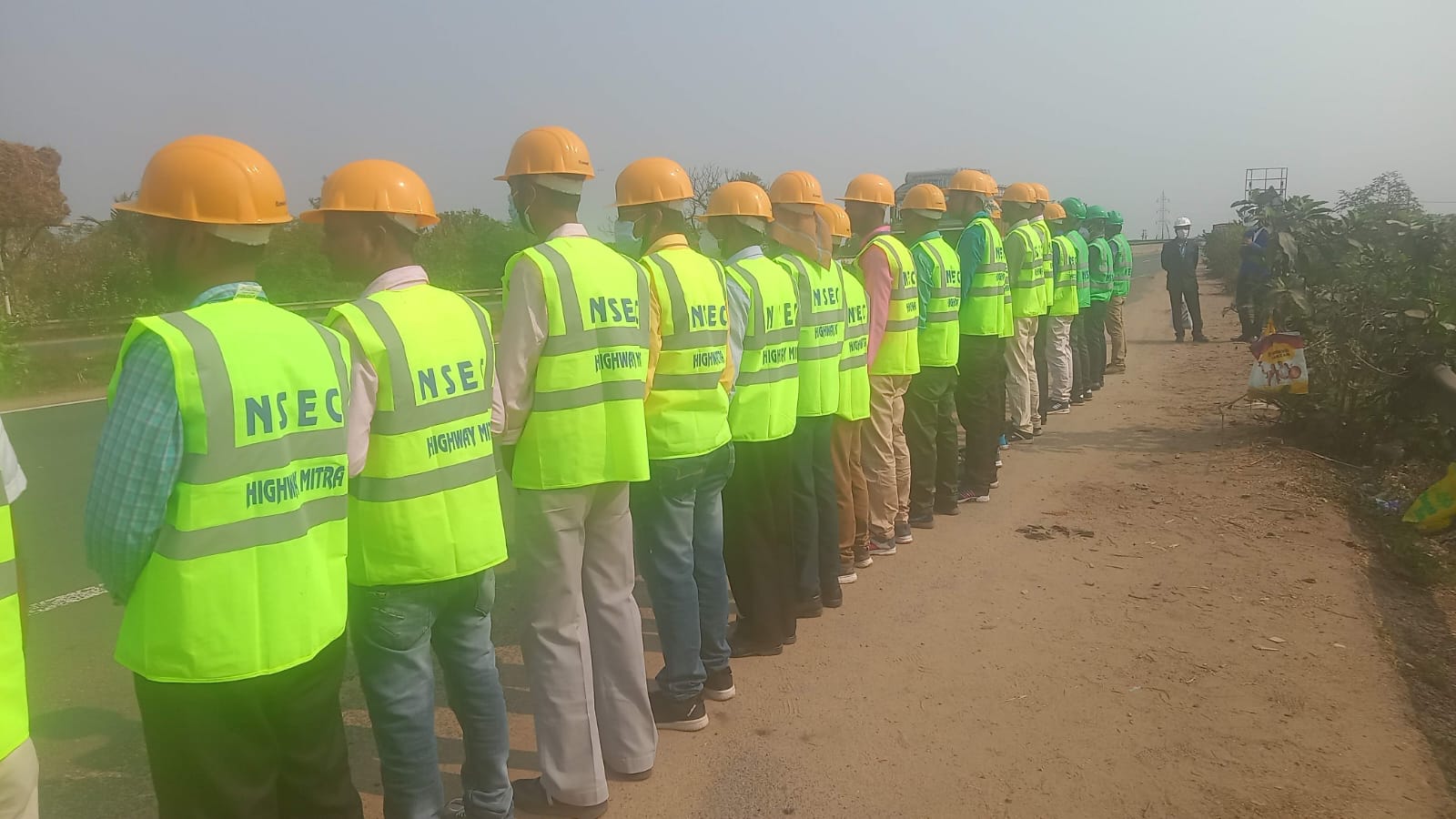
The National Self Employment Council (NSEC) is a social development organization working primarily in the areas of public safety, road safety, fire safety, and emergency response training. The organization was established with the objective of reducing road accident casualties by creating a trained network of volunteers capable of responding effectively during emergencies. Alongside safety initiatives, NSEC is equally committed to social welfare and inclusive community development.
Background and Need
Every year, thousands of people across West Bengal and other parts of India suffer injuries or lose their lives due to road accidents. In many cases, fatalities occur not only because of the accident itself, but due to the absence of immediate rescue, first aid, and timely medical assistance.
Recognizing this critical gap, NSEC initiated a structured safety and emergency response training program, aimed at minimizing casualties through trained human intervention at the grassroots level.
Core Area of Work: Safety & Accident Prevention
Safety forms the foundation of all initiatives undertaken by NSEC.
Key Focus Areas:
Road Safety Awareness
Emergency Response and Rescue
First Aid and Primary Medical Care
Fire Safety Training
Three-Point Safety Action Plan
To address road accidents and emergencies effectively, NSEC follows a structured three-point safety model:
1. Volunteer Training
Structured training programs for local volunteers
Emphasis on discipline, safety protocols, and quick decision-making
Volunteers are trained to act responsibly during accidents and emergencies
2. Rescue and First Aid Management
Training in basic first aid and emergency care
Safe rescue techniques to avoid further injury
Includes bleeding control, fracture handling, CPR basics, and initial medical assistance
3. Emergency Medical Support
Ensuring rapid transfer of accident victims to the nearest medical facility
Coordination with local communities, ambulance services, and hospitals
Training Achievements
Successfully trained approximately 2,500 individuals in safety, rescue, and emergency response
Trained volunteers actively serve as first responders during road accidents and emergencies
Areas of Implementation
Initially implemented along National Highway–2 (NH-2), West Bengal
Successfully conducted training programs in Kokrajhar region, Assam
Plans underway to expand safety initiatives across multiple states in India
Fire Safety Training
In addition to road safety, NSEC conducts comprehensive fire safety training programs, which include:
Basic fire prevention measures
Use of fire extinguishers
Emergency evacuation procedures
Safety awareness in public and workplace environments
Future Expansion Plans
Expansion of safety and emergency training programs nationwide
Development of a pan-India network of trained safety volunteers
Collaboration with institutions, communities, and local authorities for broader impact
Social Welfare & Community Development
Beyond safety, NSEC is actively involved in social development initiatives:
Support for Marginalized Communities
Upliftment of socially and economically disadvantaged groups
Disaster Relief & Emergency Aid
Distribution of relief materials and support during natural disasters
Educational Support
Financial assistance for meritorious students facing economic challenges
Social Impact
Through its various initiatives, NSEC has contributed to:
Reduction in accident-related fatalities
Faster and more effective emergency response
Increased public awareness on safety
Youth empowerment through skills training and social responsibility